

More Than Just an Apology: Decoding the British "Sorry"
Last updated: 7 September 2025Spend any time in the UK and you’ll quickly notice one word cropping up in conversations everywhere—from the tube to the office: "sorry”. To outsiders, it can seem as if the British are perpetually apologising. There’s an old joke that if you bump into a Brit, they will apologise to you. The funny thing is, it’s true more often than not.
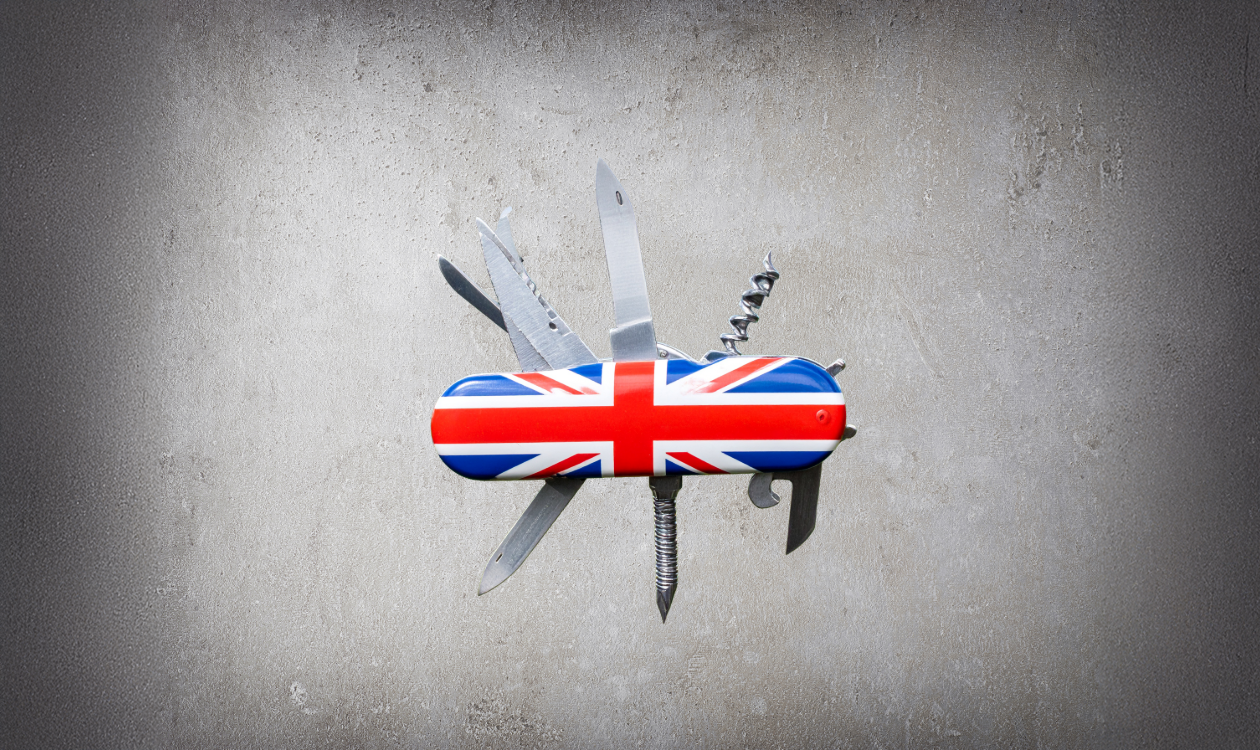
Yet, these seemingly endless apologies have little to do with actual guilt. In British English, "sorry” is the Swiss Army knife of social words: a multi-purpose tool for navigating tricky encounters. If you’re from another culture, understanding the subtle meanings behind "sorry” is a key step towards truly speaking the language.
1. The "Oops, I Exist in Your General Vicinity” Sorry
This is perhaps the best-known use of "sorry”. A Brit might apologise when someone else gets in their way, when moving past someone in the supermarket, or even after making brief eye contact on a quiet train.
Example: Someone is blocking a doorway; the person trying to get through politely says, "Sorry," as they pass.
What it means: This isn’t an admission of fault. It’s a social lubricant, demonstrating, "I acknowledge this slightly awkward moment and want to smooth it over."
2. The "Excuse Me, May I Bother You?” Sorry
Whenever a Brit needs to get someone’s attention, ask for something, or interrupt, the sentence will almost always begin with "sorry."
Example: "Sorry, do you know what time it is?" or "Sorry to trouble you, but is this seat taken?"
What it means: This is a polite prelude: "I’m about to impose on your time, and I’d like to soften the interruption."
3. The "I’ll Disagree, But Softly” Sorry
In British culture, especially in professional settings, blunt contradiction can seem confrontational. Here, "sorry” softens the discussion.
Example: In a meeting, you might hear: "Sorry, but I’m not sure those figures are quite right."
What it means: This is a way of expressing a different view without sounding aggressive. It signals, "I’m challenging your point, but I respect you and wish to keep things amicable."
4. The "Could You Repeat That?” Sorry
If you hear a Brit say "Sorry?" with a rising intonation, they aren’t apologising for their hearing.
What it means: Here, "sorry" is simply a substitute for "pardon" or "could you please repeat that?"
5. The Genuine Apology
Of course, "sorry" can still mean an actual apology, especially if someone has made a mistake. Listen for the tone; a sincere, "Oh, I’m terribly sorry about that," usually comes with direct eye contact and a hint of embarrassment.
Why Do the British Do This?
Ultimately, the versatile British "sorry" is a form of negative politeness—a communication strategy designed to reduce imposition, avoid confrontation, and keep social interactions smooth. Mastering these cultural nuances is key to effective communication.
Frequently Asked Questions
Q: Why do the British say "sorry" so much?
A: The frequent use of 'sorry' in Britain is a form of 'negative politeness.' It's often not a genuine apology but a social lubricant used to reduce imposition, avoid confrontation, and keep daily interactions smooth and harmonious.
Q: What are the main meanings of "sorry" in the UK besides an apology?
A: Besides a genuine apology, 'sorry' is commonly used to mean 'excuse me' (when getting someone's attention or moving past them), to politely soften a disagreement, or to ask someone to repeat what they just said.
Q: As a foreigner in the UK, should I also say "sorry" a lot?
A: Yes, adopting this cultural habit is generally a good idea. Using 'sorry' in the various ways described will make you appear polite, culturally aware, and well-integrated. It's a safe and common way to navigate social situations in the UK.